
Glycation: Why Sugar is the Number One Enemy of Skin Firmness
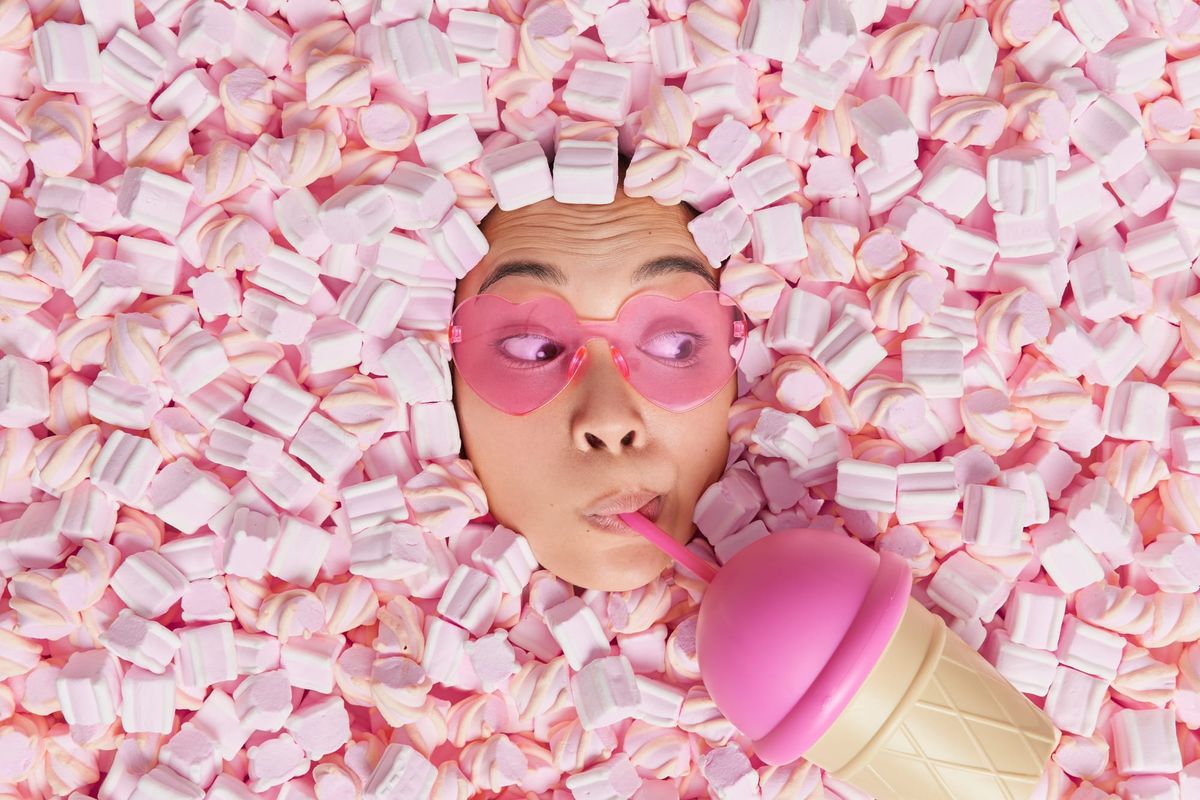
We usually talk about sugar in the context of waistlines or energy crashes, but by 2026, we know the truth: what you eat is written all over your face. If your goal is firm, bouncy, "glass-like" skin, you need to know about your biggest biochemical foe: Glycation.
It isn't just "fear-mongering"—it's the chemistry of aging. Here is how sugar is literally "locking" your youth away.
What is Glycation? (The Science) 🧪
Think of your collagen fibers—which give your skin structure and "bounce"—like a new, springy mattress.
Glycation is the process where excess sugar molecules in your bloodstream bind themselves to your proteins (like collagen and elastin). This creates AGEs (Advanced Glycation End-products).
The "Kitchen" Analogy: Think of caramelization. When you heat sugar and proteins together, they turn into a stiff, hardened, yellow-brown substance. That is essentially what is happening in your dermis. The sugar acts like "glue," cross-linking your flexible collagen fibers and turning them rigid and brittle.
Why It Matters for Your Face 🧱➡️🏚️
When collagen fibers get "stuck" together by sugar, they lose their ability to function. The results are visible:
- Loss of Firmness: Because your "springs" (collagen) are now stiff and cross-linked, your skin loses its elasticity. It stops "bouncing back," leading to sagging and deeper wrinkles.
- The "Sallow" Complexion: AGEs have a naturally yellow-brown color. As they accumulate, they drain your skin of its natural radiance, leaving it looking dull, tired, and sallow.
- Resistance to Repair: Glycated collagen is harder for your body to break down and replace. It essentially "clogs" your skin’s regeneration cycle, making it harder for your expensive anti-aging creams to do their job.
The Strategy: How to Stop the "Stiffening" 🛡️
You don't need to quit every sweet treat forever, but you should manage your "sugar budget" like you manage your bank account.
1. Manage Blood Sugar (The Internal Fix)
- The Low-GI Rule: Choose carbohydrates that release energy slowly (oats, quinoa, legumes) rather than those that cause massive "sugar spikes" (white bread, candy, sodas). A spike in glucose = a spike in glycation potential.
- Cooking Matters: Avoid high-temperature cooking (charring or grilling meats at high heat), as this creates external AGEs that your body absorbs.
2. Topical "Sugar-Shields" (The External Fix)
While you can't reverse major glycation with a serum, you can protect your skin from new damage:
- Look for Carnosine: This is one of the most promising topical ingredients in current anti-aging research. It is known to help "decoy" the glycation process, protecting your collagen from the sugar molecules.
- Potent Antioxidants: Ingredients like Vitamin C, Resveratrol, and Ferulic Acid help neutralize the oxidative stress that fuels glycation.
- Retinoids: These are your best friend. They won't "un-glue" old collagen, but they force your skin to produce new, healthy collagen, which is the best defense against sagging.
The Bottom Line
Sugar isn't just about weight—it's an active participant in skin aging. Every time you have a massive spike in blood glucose, you are putting your skin's structural proteins at risk.
Treat your skincare routine like a partnership: use your retinoids to build new collagen, and watch your diet to protect the collagen you already have.

Stay in the glow with the latest skincare tips!