
Science vs. Marketing: What Actually Improves Skin Density and Barrier Function?
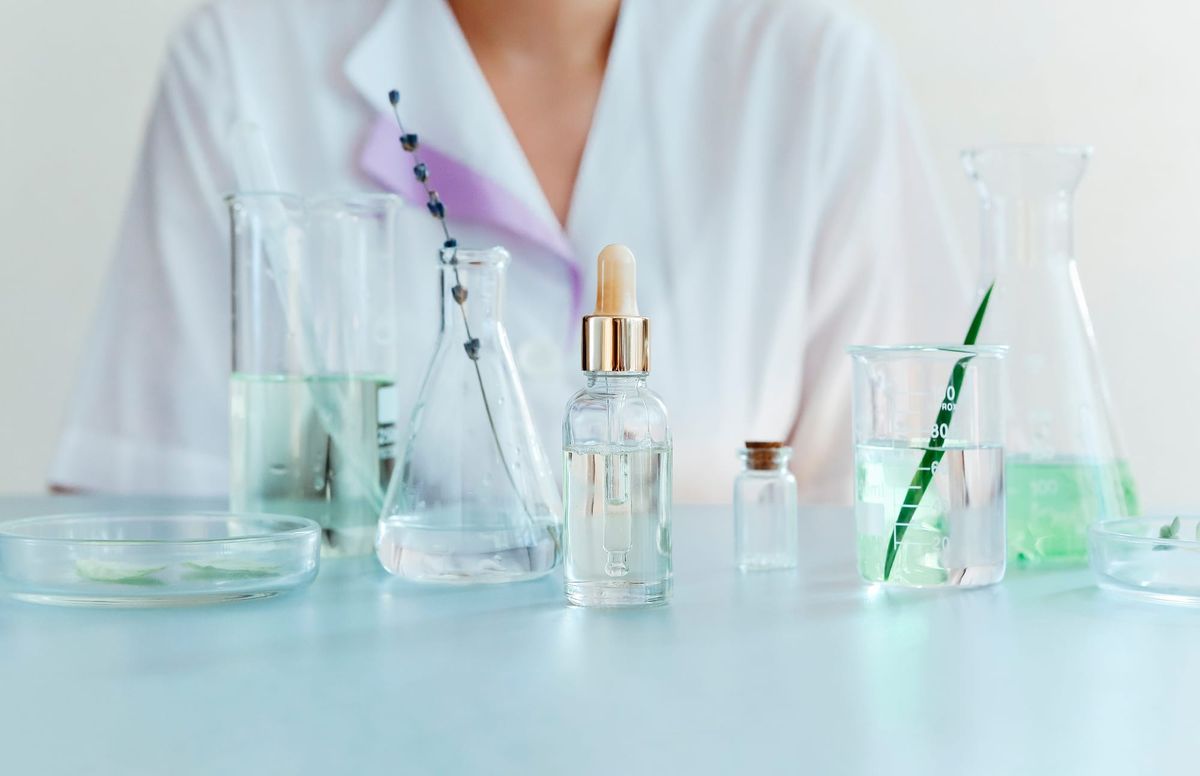
In 2026, the skincare market is noisier than ever. Between "exclusive molecule" promises and "diamond-infused" serums, it’s hard to know what is science and what is just expensive fiction. But skin isn't a marketing canvas—it’s a complex, living organ that responds to biology, not branding.
Let’s separate the fact from the fluff.
✅ What Actually Works (The Evidence-Backed Standards)
1. The Barrier: Physiology Over Hype
Your skin barrier (the hydrolipid film) is essentially a wall of "bricks" (corneocytes) held together by "mortar" (lipids). If this wall is compromised, water evaporates (dehydration) and irritants get in.
- The Science: You don't need exotic oils; you need a physiologic lipid mixture. Studies consistently show that a specific ratio of Ceramides, Cholesterol, and Free Fatty Acids (ideally 3:1:1) is the most effective way to repair a damaged barrier.
- The Niacinamide Factor: This isn't just a trend. Niacinamide has been scientifically shown to stimulate the skin to produce its own ceramides. It’s one of the few ingredients that actually "teaches" your skin how to be healthy again.
2. Skin Density: Signaling, Not "Plumping"
Skin density depends on the collagen and elastin in your dermis.
- Retinoids (The Gold Standard): These are the only topical ingredients proven to influence gene expression, forcing fibroblasts to produce new collagen. There is simply no substitute.
- Signal Peptides: Unlike "collagen creams," peptides (like Matrixyl) act as chemical messengers. They trick the skin into thinking it has been damaged, triggering a repair response that builds new structural proteins. It’s effective because it works with your biology, not against it.
❌ The Marketing "Fluff" (Save Your Money)
1. Topical Collagen
The molecule of collagen is simply too large to penetrate the epidermis. When you put a collagen cream on your face, it sits on the surface. It may act as a temporary humectant (like a cheap glycerin would), but it will never integrate into your own skin structure to increase density.
2. "Detoxifying" and "Oxygenating" Products
Your skin doesn’t "detox"—that’s what your liver and kidneys are for. As for "oxygenating" creams? Your skin gets its oxygen from your blood, not from a $200 face mask. Products that claim to "add oxygen" often rely on ingredients that cause mild irritation, which leads to temporary redness—the skin looks "refreshed" only because it’s mildly inflamed.
3. Precious Metals (Gold, Diamonds, Platinum)
They look stunning in a bottle, and they raise the price tag significantly, but they are biologically inactive. Gold and diamonds do nothing to stimulate your fibroblasts or repair your lipid barrier. They are strictly aesthetic "marketing dust."
🏁 The Verdict: How to Invest Wisely
Skincare shouldn't be about "luxury"—it should be about biochemistry. If you want a denser, stronger complexion:
- For the Barrier: Focus on ceramide-rich moisturizers with a simple, fragrance-free formula. The goal is protection, not an "experience."
- For Density: Invest in high-quality retinoids and peptide serums. These do the "heavy lifting" in the dermis.
- Consistency is the Strategy: The most expensive cream in the world won't work if you only use it sporadically. A consistent, science-backed routine is 10x more effective than a luxury one used once a week.
Stay in the glow with the latest skincare tips!